 Invisalign
Frequently Asked Questions

Dr. Marc Nevins Board Certified Periodontist

Dr. Marc Nevins Board Certified Periodontist
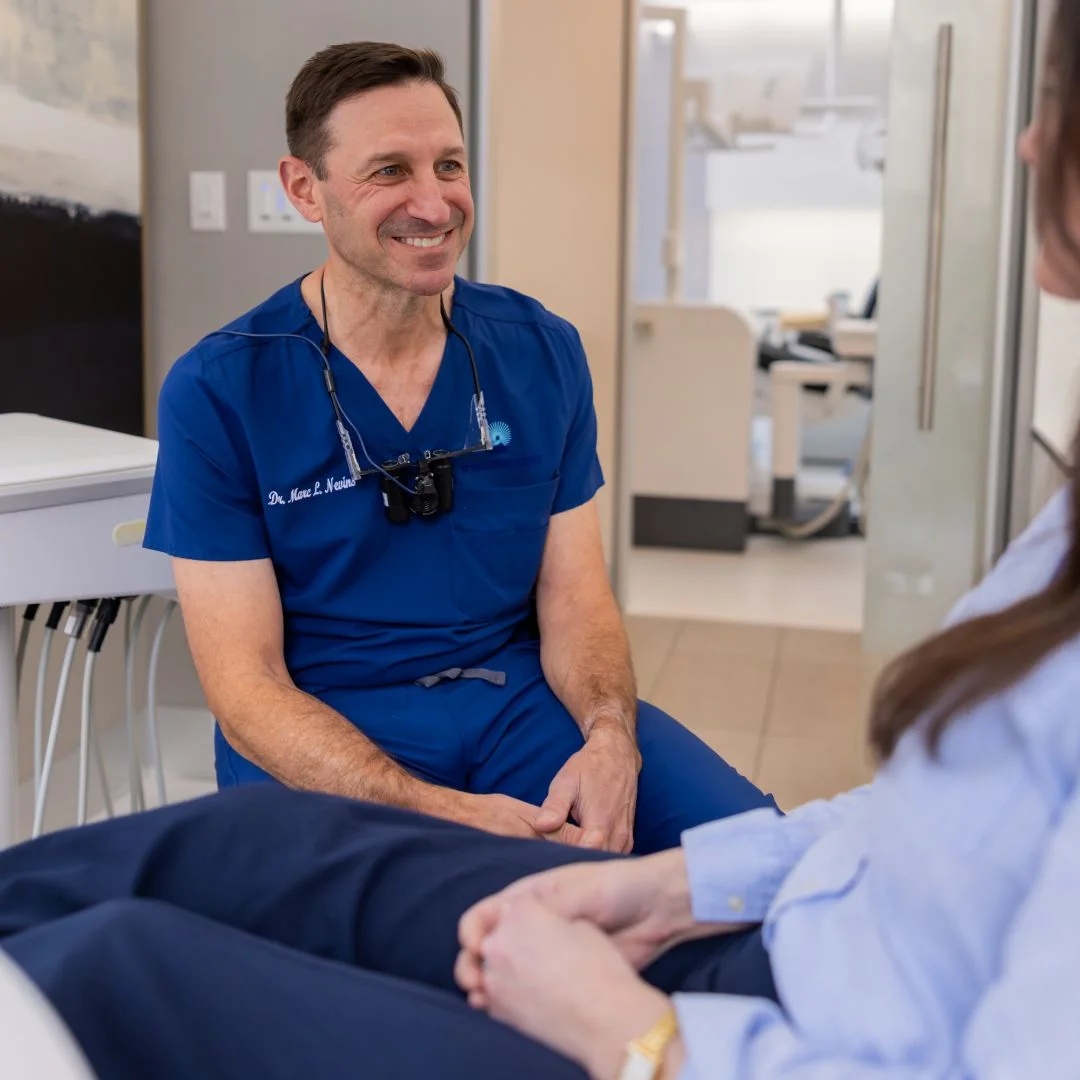
Dr. Marc Nevins Board Certified Periodontist
Frequently Asked Questions
If your question isn’t listed below, please contact our office and we’ll be happy to assist you.
What is a periodontist and how are they different from a general dentist?
A periodontist is a dental specialist focusing on the prevention, diagnosis, and treatment of gum disease and in the placement of dental implants. Dr. Nevins is a board-certified periodontist with advanced training and expertise beyond general dentistry.
What periodontal treatments do you offer?
We provide a full range of periodontal therapies including non-surgical treatments, laser therapy like LANAP, surgical care, and regenerative techniques.
How do I know if I have gum disease?
Common signs include bleeding gums, bad breath, gum recession, and loose teeth. If you notice any of these symptoms, contact us for an evaluation by Dr. Nevins.
What is LANAP and how does it treat gum disease?
LANAP (Laser-Assisted New Attachment Procedure) is a minimally invasive treatment that uses a laser to remove diseased gum tissue and promote healing without cutting or stitches.
What are the benefits of dental implants over bridges or dentures?
Dental implants are a long-term solution that look, feel, and function like natural teeth. They help preserve jawbone health and provide superior comfort and stability compared to bridges or dentures.
What is PRF/PRP therapy in dentistry?
Platelet-Rich Fibrin (PRF) and Platelet-Rich Plasma (PRP) are regenerative treatments that use your own blood to promote faster healing and tissue regeneration during dental procedures.
Can you fix receding gums without traditional surgery?
Yes, we offer Pinhole Gum Rejuvenation, a scalpel-free, suture-free technique to correct gum recession with minimal discomfort and a faster recovery.
What can I expect during a full-mouth reconstruction consultation?
Dr. Nevins will perform a comprehensive exam, review imaging, and discuss your goals. You’ll receive a personalized treatment plan addressing both function and aesthetics.
Is sedation available for periodontal surgery?
Yes. We provide sedation dentistry options to ensure your comfort and reduce anxiety during complex procedures.
Do you accept referrals from general dentists?
Absolutely. We regularly collaborate with general dentists and specialists to ensure patients receive the highest level of periodontal and implant care.
What is a soft tissue graft and why might I need one?
A soft tissue graft is a procedure used to treat gum recession by restoring lost gum tissue around the teeth. When gums recede, tooth roots can become exposed, leading to sensitivity, discomfort, and a higher risk of further dental problems. Soft tissue grafting helps protect the roots, improve comfort, and restore a healthier, more natural-looking gum line.
How can I tell if I have gum recession?
Common signs of gum recession include sensitivity to hot, cold, sweet, or spicy foods, pain when brushing or flossing, and teeth that appear longer than they used to. If you are experiencing any of these symptoms, a professional evaluation can confirm whether gum recession is present and whether a soft tissue graft is recommended.
What is recovery like after a soft tissue graft?
Soft tissue grafting is performed using advanced micro-surgical techniques designed to support faster and more comfortable healing. Many patients notice reduced sensitivity and improved gum coverage as healing progresses. You will receive detailed post-treatment instructions, and your dentist will closely monitor your recovery to ensure the best possible long-term outcome.
What is bone loss in the jaw and how can it be treated?
Jawbone loss occurs when the bone that supports your teeth or dental implants begins to shrink due to periodontal disease, missing teeth, injury, or infection. Bone loss can affect both your oral health and facial appearance. Bone and tissue regeneration treatments rebuild lost bone and soft tissue, helping restore a strong, healthy foundation for your teeth or future dental implants.
Can bone and tissue regeneration prepare me for dental implants?
Yes. Bone and tissue regeneration is commonly used to rebuild the bone needed for successful dental implant placement. If teeth have been missing for some time, the jawbone may no longer have enough volume or density to support implants. Regenerative procedures help restore the necessary bone structure, improving implant stability and long-term success.
How does tissue regeneration work for bone loss?
Tissue regeneration uses advanced growth factors and biotechnologies to stimulate your body’s natural healing process. These techniques encourage new bone and soft tissue growth while reducing surgical trauma and recovery time. This approach allows for more predictable outcomes and helps create the ideal environment for long-lasting oral health and implant support.
What is pocket depth reduction and why is it necessary?
Pocket depth reduction is a periodontal treatment used to manage advanced gum disease. When gum pockets become too deep, bacteria can build up below the gum line where brushing and regular cleanings can’t reach. Reducing pocket depth helps eliminate infection, prevent further bone loss, and protect your natural teeth from future damage.
How do I know if I need pocket depth reduction treatment?
You may need pocket depth reduction if your dentist or hygienist has measured deep gum pockets during an exam. Symptoms can include bleeding gums, bad breath, gum tenderness, loose teeth, or gum recession. If pockets are too deep to be cleaned properly with routine hygiene visits, treatment is recommended to stop the progression of periodontal disease.
Is LANAP™ laser therapy used for pocket depth reduction?
Yes. In many cases, pocket depth reduction can be performed using minimally invasive LANAP™ laser therapy. This advanced laser treatment targets infected tissue while preserving healthy gum structure, often resulting in less discomfort, reduced bleeding, and faster healing compared to traditional surgical methods.
What is periodontal hygiene maintenance?
Periodontal hygiene maintenance is ongoing care provided after initial periodontal treatment to help keep gum disease under control. These regular cleanings and checkups focus on maintaining healthy gums, preventing infection from returning, and protecting the long-term health of your teeth and supporting bone.
Why are regular hygiene maintenance appointments important?
After periodontal therapy, consistent follow-up visits are essential to long-term success. Regular hygiene maintenance allows your dental team to closely monitor your gums, detect early signs of inflammation or infection, and address issues before they become more serious. This proactive approach helps preserve your oral health and supports overall wellbeing.
What can I expect during a periodontal maintenance visit?
During a periodontal maintenance appointment, a highly trained hygienist will perform a thorough cleaning, focusing on areas that are harder to reach with daily brushing and flossing. Your gum health will be carefully evaluated, and any changes will be addressed promptly. These visits are designed to be comfortable, effective, and tailored to your specific needs.
Are LightForce braces faster than traditional braces?
LightForce braces are designed to be more efficient because each bracket is custom-made for your teeth. This level of precision often leads to shorter treatment times, more predictable tooth movement, and fewer in-office adjustments compared to traditional braces.
Do LightForce braces require fewer office visits?
Yes. Since LightForce braces are digitally planned and customized from the start, treatment typically requires fewer appointments. This makes them a convenient option for patients looking for advanced orthodontic care with less disruption to their schedule.
How does Dental Monitoring work during orthodontic treatment?
Dental Monitoring allows you to send images and short videos of your teeth through a secure app so your orthodontist can track your progress remotely. These virtual check-ins help ensure your Invisalign or braces treatment stays on track without requiring frequent in-office visits.
Does Dental Monitoring reduce the number of office visits?
Yes. After your initial in-office consultation, Dental Monitoring makes it possible to schedule visits only when needed. This technology allows your orthodontist to evaluate your progress remotely and communicate with you directly, making treatment more convenient and efficient.
Is Dental Monitoring easy to use at home?
Yes. The Dental Monitoring app is designed to be simple and user-friendly, allowing you to capture images and videos of your teeth from home using your smartphone. Your orthodontist reviews these scans and provides feedback, making it easy to stay connected throughout your treatment.