Invisalign

Choosing a Dentist in Boston: What to Look for in an Experienced Dental Practice
Choosing a Dentist in Boston: What to Look for in an Experienced Dental Practice
Choosing the right dentist is an important decision. While location and convenience matter, it is equally important to consider the experience and training of the dental team, the range of treatments available, how your care is planned, and how comfortable you feel discussing your concerns.
At Nevins Dental Center, we believe patients should have a clear understanding of their treatment options before making decisions about their dental care. For patients looking for a dentist in Boston MA, particularly those who may need specialist, implant, periodontal, oral surgery, cosmetic, or restorative treatment, there are several things worth considering.
Look at the experience and training of your dental team
One of the first things to consider when choosing a dental practice is the professional training and experience of the clinicians who will be involved in your care.
At Nevins Dental Center, our team includes specialists with advanced training in areas including periodontics and oral surgery. Dr. Marc L. Nevins is a board-certified periodontist who completed his dental degree at Tufts University School of Dental Medicine, followed by advanced training in periodontology and a Master of Medical Sciences in Oral Biology at Harvard School of Dental Medicine.
Our team also includes Dr. Ami Amini Salari, a board-certified oral surgeon with extensive training in oral and maxillofacial surgery.
This specialist-led approach can be particularly valuable when treatment involves more than one area of dentistry.
Consider whether different specialists can work together
Some dental treatments are straightforward, while others require input from more than one specialist.
For example, patients considering dental implants may need periodontal treatment, oral surgery, and restorative dentistry as part of their overall treatment plan. Having access to different areas of expertise within one practice can make the process more coordinated.
At Nevins Dental Center, we provide a range of specialist services, including periodontics, dental implants, oral surgery, prosthodontics, sedation, and orthodontics.
Our approach is collaborative, with treatment planned around the individual needs and goals of each patient.
For patients undergoing more complex treatment, having specialists work together can help create a more comprehensive approach to care.
Ask how your diagnosis and treatment will be planned
A good consultation should give you the opportunity to understand what is happening with your oral health and what options may be available.
At Nevins Dental Center, we take time to assess each patient’s individual situation before recommending treatment. Depending on your needs, this may involve digital imaging, scans, photographs, and other diagnostic information.
We believe it is important that patients understand not only what treatment is being recommended, but also why it may be appropriate and what alternatives may be available.
If you are unsure about a previous diagnosis or treatment recommendation, you may also wish to seek a second opinion. Our dental second opinion service is available for patients who want greater clarity about proposed or previous treatment, including concerns involving implants, veneers, and other complex dental work.
Find out how technology is used in the practice
Dental technology can play an important role in diagnosis, treatment planning, and certain procedures. However, technology is most valuable when it provides useful clinical information or helps improve the accuracy and predictability of treatment.
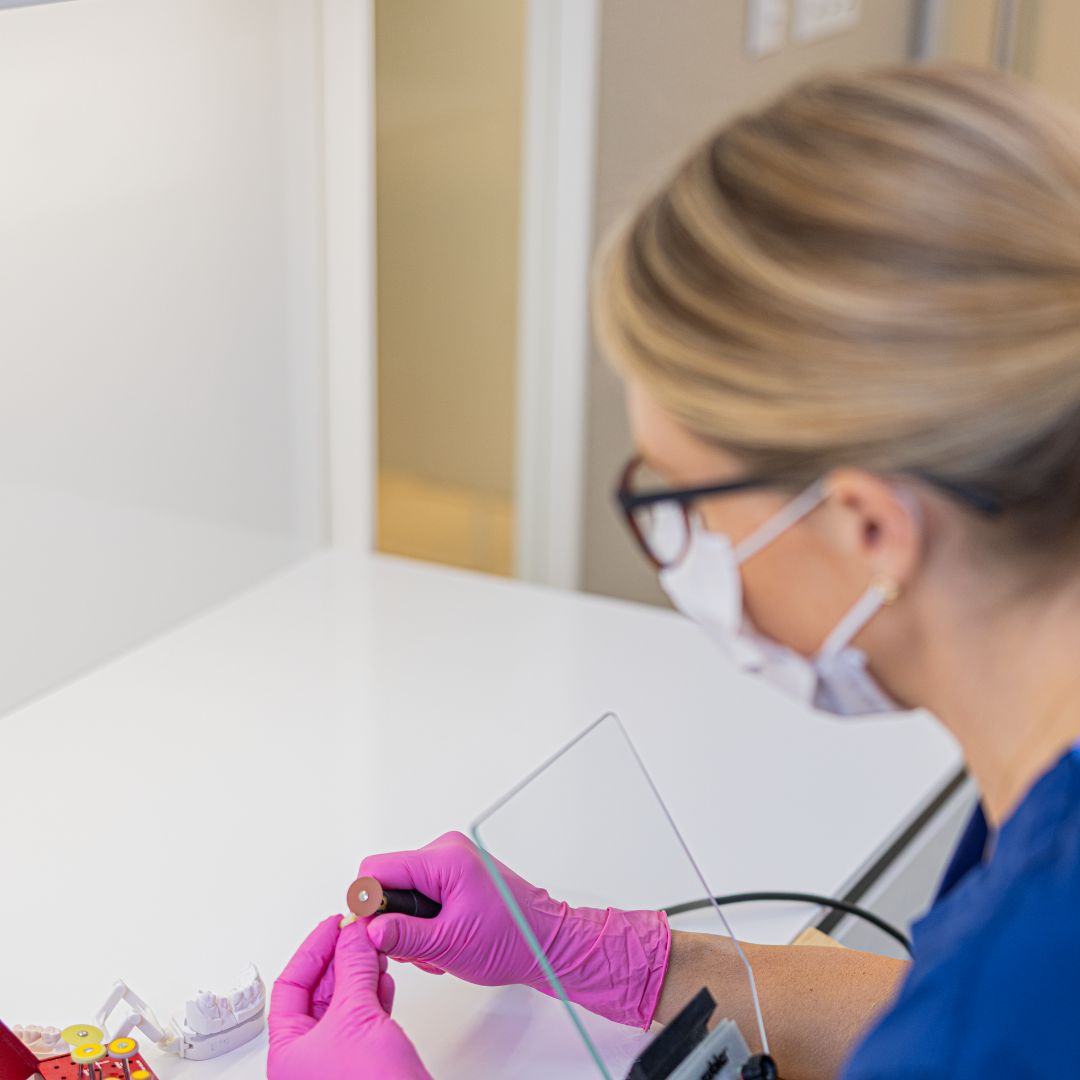
At Nevins Dental Center, we use modern dental technologies including digital dentistry, 3D imaging, guided surgery, and laser therapy where appropriate.
The technology used will depend on your individual needs. During your consultation, we can explain which diagnostic tools or technologies may be relevant to your treatment and how they can help us plan your care.
Choose a dentist who takes time to listen
Your relationship with your dental team matters.
Whether you are visiting for periodontal treatment, dental implants, cosmetic dentistry, or another procedure, you should feel comfortable asking questions and discussing your concerns.
We understand that some patients may feel anxious about dental treatment. Our team aims to make every visit as comfortable and reassuring as possible, while ensuring you have the information you need before proceeding with treatment.
Our patient reviews regularly mention the importance of communication, reassurance, and support throughout treatment.
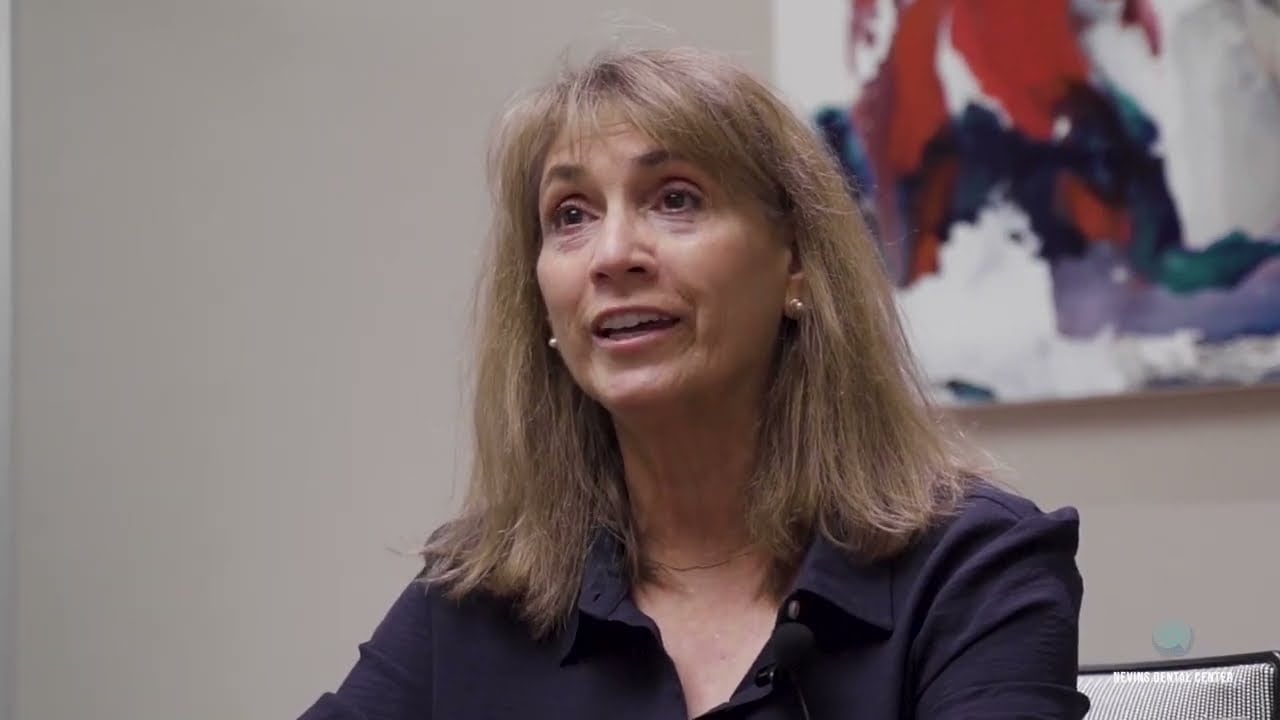
“I recently had gum surgery. Dr Nevin and his team were excellent. Veronica his assistant put me at ease and ensured I was comfortable during the procedure.”
— Elena A., Nevins Dental Center patient review
Every patient’s experience is individual, but we are proud of the feedback we receive from people who have trusted us with their dental care.
Read patient reviews carefully
Reviews can be helpful when comparing dental practices, particularly when they provide specific information about the patient experience.
Rather than focusing only on an overall rating, look for reviews that discuss the type of treatment you may be considering. Patients may comment on communication, the treatment process, the dental team, or how comfortable they felt during their care.
At Nevins Dental Center, our patient reviews include experiences relating to periodontal treatment, dental implants, restorative treatment, and interactions with our team.
If you are researching a Boston dentist, reviews can give you an additional perspective alongside the practice’s qualifications, services, and consultation process.
Think about location and accessibility
Practical considerations are important too.
Nevins Dental Center is located at 3 Center Plaza, Suite 310, Boston, MA 02108, directly across from the Government Center MBTA station on the Green and Blue Lines.
Our office is open Monday through Friday from 7 AM to 5 PM. Paid parking is available in the Center Plaza garage, with metered street parking also available nearby.
Before arranging an appointment, we recommend confirming current opening hours and access information with our team.
Ask about costs and what happens next
Before beginning treatment, it is reasonable to ask questions about the proposed treatment, what is involved, and what happens after your consultation.
The cost of dental treatment can vary depending on the type and complexity of care required, the specialists involved, insurance coverage, and your individual circumstances.
During your consultation, you can ask:
- What treatment options are available?
- What does the recommended treatment involve?
- Are there alternative approaches?
- Will additional scans, records, or diagnostic tests be required?
- What are the next steps?
- When will I receive information about the cost of treatment?
We want our patients to feel informed and confident about their decisions, rather than feeling rushed into treatment.
Choosing an experienced dentist in Boston
There is no single definition of the “right” dentist for everyone. Your priorities will depend on your individual dental needs.
For routine dental care, convenience, communication, and continuity may be particularly important. If you are considering dental implants, periodontal treatment, oral surgery, cosmetic dentistry, or complex restorative work, you may also want to consider the specialist training available within the practice and how different areas of dentistry are coordinated.
At Nevins Dental Center, our specialist-led team provides personalised care across a range of dental services. We take the time to understand each patient’s needs, explain treatment options, and develop an appropriate plan for their care.
If you are looking for a dentist in Boston MA and would like to find out whether our services are right for you, we welcome you to contact our team and request a consultation.
Frequently Asked Questions
What should I look for when choosing a dentist in Boston?
Consider the dentist’s professional training, the services available, how treatment is planned, whether specialists can work together when necessary, patient reviews, communication, technology, location, and practical details such as appointment availability and costs.
Is Nevins Dental Center a general dentistry practice?
Nevins Dental Center is a specialist dental practice focused on complex and personalised care. Our services include periodontics, dental implants, oral surgery, prosthodontics, sedation, and orthodontics. Contact our team to discuss whether our services are appropriate for your particular dental needs.
What is a periodontist?
A periodontist is a dental specialist who focuses on the gums and the structures that support the teeth. Periodontists also receive specialist training in dental implant treatment.
Does Nevins Dental Center provide cosmetic dentistry?
Yes. We provide cosmetic dentistry and restorative treatments. A consultation allows our team to assess your needs and discuss which treatment options may be appropriate for you.
Can I get a second dental opinion in Boston?
Yes. Nevins Dental Center provides dental second opinions for patients who would like another professional assessment of previous or proposed treatment. This may be particularly useful when you have concerns about complex treatment, dental implants, veneers, or other restorative procedures.
Where is Nevins Dental Center located?
Nevins Dental Center is located at 3 Center Plaza, Suite 310, Boston, MA 02108. Our current phone number is 617-720-0285. We are located directly across from the Government Center MBTA station.
Talk to the Nevins Dental Center team
Choosing a dentist is about more than finding a convenient location. It is about finding a team you can trust, with the experience and expertise to provide the care you need.
If you are considering dental implants, periodontal treatment, cosmetic dentistry, oral surgery, or another complex dental procedure, our team is here to answer your questions and discuss your options.
Contact Nevins Dental Center to request a consultation.